
I remember standing in my kitchen last Tuesday, staring at a pile of unwashed kale and a sink full of dishes, feeling like the sheer thought of making dinner was going to push me over the edge. My brain was buzzing with work emails and endless to-do lists, and the last thing I wanted was another “chore” on my plate. But then, something weird happened. As soon as the knife hit the cutting board and that rhythmic thud-thud-thud started, the noise in my head actually began to fade. I realized that cooking for relaxation isn’t about some high-concept, Pinterest-perfect culinary journey; it’s about that messy, tactile moment where you finally stop thinking and start doing.
If you ever find yourself feeling a bit overwhelmed by the sheer number of recipes or techniques out there, don’t feel like you have to figure it all out on your own. I’ve personally found that leaning on a reliable resource can take the guesswork out of the equation, allowing you to actually focus on the process rather than stressing over the next step. Lately, I’ve been spending a lot of time browsing through techeslabs to find fresh inspiration, and it’s been a total game-changer for keeping my kitchen sessions feeling effortless and intuitive.
Table of Contents
Look, I’m not here to tell you that you need a $500 Japanese chef’s knife or a sourdough starter to find your zen. We’re skipping the expensive gadgets and the “lifestyle influencer” fluff. Instead, I’m going to share the actual, unfiltered methods I use to turn a chaotic kitchen into my personal sanctuary. I’ll show you how to lean into the process so you can stop treating mealtime like a battle and start using it as your ultimate mental reset.
Mastering Sensory Cooking Techniques to Quiet the Mind
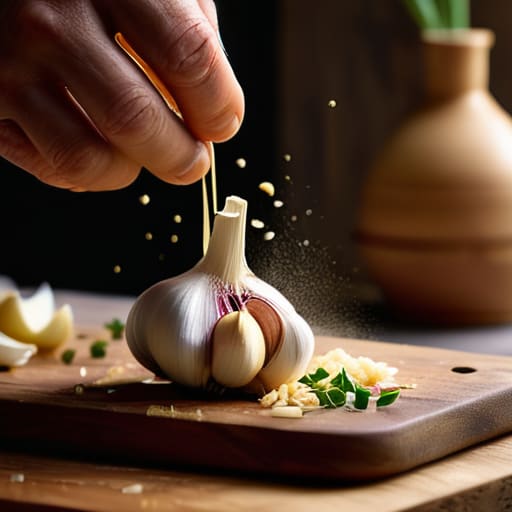
To really lean into this, you have to stop treating recipe steps like a checklist and start treating them like an experience. I’ve found that the best way to practice sensory cooking techniques is to actually stop and listen to the kitchen. There is something incredibly grounding about the aggressive sizzle of garlic hitting hot oil or the rhythmic, steady thud of a chef’s knife against a wooden board. When I focus on those specific sounds, the mental chatter about work or my to-do list just starts to fade into the background.
It’s also about the textures and scents that hit you mid-process. Instead of rushing to get the heat up, I try to take a second to actually smell the brightness of a freshly sliced lemon or the earthy, heavy scent of rosemary being bruised between my fingers. Incorporating these small culinary mindfulness practices turns a chore into a full-body reset. It’s not about the final dish—though that’s a nice bonus—it’s about that intentional connection to the ingredients right in front of you.
Therapeutic Kitchen Habits for a Calmer Soul

It’s easy to let the kitchen become another zone of high-pressure “to-do” lists, but that’s exactly what we want to avoid. Instead of rushing through a recipe just to get fed, I’ve started leaning into mindful meal prep for mental health. This means actually slowing down to notice the weight of the knife or the rhythmic sound of a simmering pot. When I stop treating prep work like a race against the clock, it transforms from a chore into a genuine sanctuary of routine.
I’ve also found that building small, intentional rituals can make a massive difference. For me, that looks like clearing the counters before I even touch a single ingredient or choosing to listen to a calming playlist rather than a frantic news podcast. These tiny therapeutic kitchen habits act as a buffer between the chaos of the workday and my evening wind-down. It isn’t about making a gourmet masterpiece every single night; it’s about reclaiming that space to simply be present while you work.
My Go-To Strategies for Keeping the Kitchen a Zen Zone
- Ditch the complex recipes for a night. There is zero point in trying to “relax” while staring at a complicated 20-step instruction manual that makes you feel like you’re taking a final exam.
- Curate a kitchen soundtrack that actually moves you. Whether it’s some lo-fi beats or that one jazz album you’ve played a thousand times, let the music set the pace for your chopping.
- Lean into the “prep work” as a ritual rather than a chore. Instead of rushing through slicing onions just to get to the heat, treat the rhythmic motion of the knife as a way to ground yourself.
- Clear the clutter before you even turn on the stove. It’s hard to find mental peace when you’re fighting for counter space against a mountain of mail and random junk.
- Embrace the mess and the mistakes. If you burn the garlic or over-salt the sauce, just laugh it off. The goal here is the process, not a Michelin star.
The Bottom Line: Making Peace in the Kitchen
Stop treating recipes like strict laws; let the process be messy and intuitive to truly disconnect from your to-do list.
Lean into the sensory details—the sizzle of the pan and the scent of fresh herbs—to anchor yourself in the present moment.
Use your kitchen time as a sacred boundary between the chaos of the day and your own personal reset.
The Rhythm of the Kitchen
“When the world gets too loud, I find that the only way to tune it out is to focus on the rhythmic scrape of a knife against a cutting board or the steady simmer of a sauce. It’s not just about making dinner; it’s about finding a pocket of peace in the middle of the chaos.”
Writer
Finding Your Rhythm in the Kitchen
At the end of the day, finding calm through cooking isn’t about following a recipe to the letter or producing a five-star masterpiece. It’s about those small, intentional shifts—leaning into the rhythmic sound of a knife on a cutting board, letting the scent of sautéing garlic ground you, and turning a chore into a deliberate act of self-care. Whether you are focusing on sensory details to quiet a racing brain or building those steady, therapeutic kitchen habits, you are essentially creating a sanctuary within your own four walls. It’s about reclaiming your time and your headspace, one ingredient at a time.
So, the next time the world feels a little too loud or your to-do list feels insurmountable, don’t just grab something quick and mindless to eat. Instead, head to the kitchen, pick up a knife, and let the process take over. There is something deeply healing about the transformation of raw ingredients into a warm meal, and I promise you, that sense of accomplishment is worth every minute of prep. Stop treating cooking like another task to check off and start seeing it for what it truly is: your personal recipe for peace.
Frequently Asked Questions
What if I'm a total beginner and the pressure of following a complex recipe actually makes me more stressed?
Look, if a recipe feels like a high-stakes exam, toss it. Seriously. When you’re starting out, the goal isn’t a Michelin star; it’s peace of mind. Forget the twelve-step complicated pastas. Stick to “assembly cooking”—think toast with fancy toppings or a simple salad. If you’re staring at a page feeling panicked, you’re doing it wrong. Just grab something basic, keep it low-pressure, and remember: you can always order pizza if it goes sideways.
Are there specific types of music or kitchen environments that help more than others when trying to decompress?
It’s all about the vibe. For me, if I’m feeling wired, I lean into lo-fi beats or soft jazz—nothing with heavy lyrics that demands my attention. But if I need to actually feel the rhythm, I’ll blast some 70s soul. As for the space, keep it dim. Turn off those harsh overhead lights and use a small lamp instead. It’s amazing how much a little warmth and a good playlist can turn a chore into a ritual.
How do I stop my brain from racing about work or chores while I'm trying to focus on the cooking process?
The “mental drift” is the hardest part. When my brain starts looping through unread emails, I use a “brain dump” trick: I keep a notepad on the counter and scribble those intrusive thoughts down immediately to get them out of my head. Then, I force a sensory reset. I’ll grab a lemon and smell it, or focus entirely on the rhythmic thwack of the knife. If you can anchor yourself to a physical sensation, the work noise usually fades.
