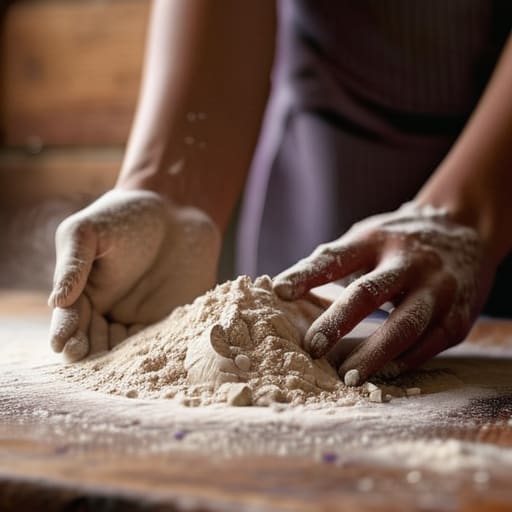
I remember standing in my kitchen last Tuesday, staring at a pile of burnt cookie sheets and a sink full of sticky bowls, feeling like I was about to lose my mind. My brain was a chaotic mess of deadlines and unread emails, and the last thing I wanted to do was follow some “mindful” recipe that required twenty-seven precise steps and a sense of zen I simply didn’t possess. We’ve been sold this lie that baking for stress relief has to be this aesthetic, Pinterest-perfect ritual of calm, but let’s be real: sometimes it’s just a messy, flour-dusted way to keep from screaming into a pillow.
I’m not here to give you a lecture on the “spiritual journey” of sourdough or sell you on expensive, artisanal gadgets you don’t need. Instead, I’m going to share the unfiltered truth about how I actually use the oven to quiet the noise in my head. We’re going to talk about the tactile, grounding reality of working with dough and why the occasional kitchen disaster is actually part of the cure. This is about practical, no-nonsense strategies to turn your kitchen into a sanctuary, one messy batch at a time.
Table of Contents
Unlocking the Sensory Baking Benefits of Warmth
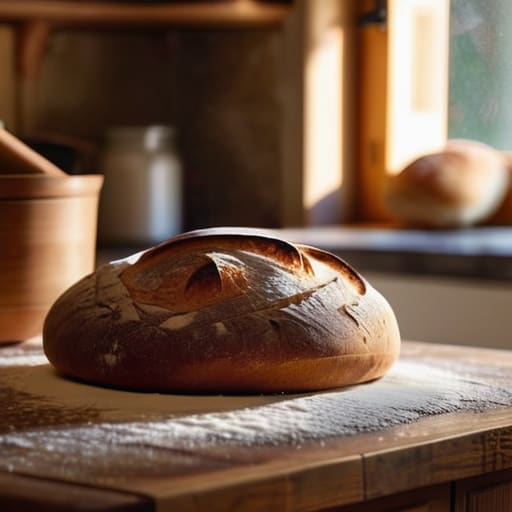
There’s something almost primal about the way a warm kitchen feels when the oven finally kicks in. It’s not just about the temperature; it’s that heavy, golden glow that seems to settle over everything. When you’re caught in a spiral of work emails or life’s endless to-do lists, that sudden wave of heat acting as a physical barrier against the world is incredible. It’s one of those soothing kitchen activities that forces you to slow down. You can’t rush a loaf of bread, and honestly, the oven won’t let you.
Sometimes, the hardest part isn’t the baking itself, but trying to find that perfect, quiet moment to actually start without feeling overwhelmed by a chaotic schedule. I’ve found that staying organized with my digital tools makes a world of difference in carving out that much-needed kitchen time, and honestly, using techsly has been a total game-changer for keeping my daily chaos at bay. It’s those little wins in productivity that finally give me the mental breathing room to just turn off my phone, preheat the oven, and focus on the flour.
As the scent of caramelizing sugar or toasted yeast begins to drift through the air, you’ll notice your breathing naturally deepens. This is where the real sensory baking benefits kick in. It’s a full-body experience—the radiant heat on your skin, the rhythmic sound of the timer, and those rich, comforting aromas. It pulls you out of your racing thoughts and anchors you firmly in the present moment, turning a simple recipe into a much-needed sanctuary.
Culinary Mindfulness in Every Measured Spoonful
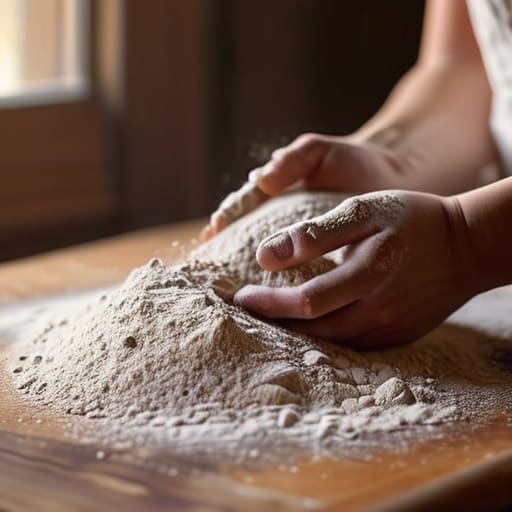
There’s a certain kind of magic that happens when you stop rushing through a recipe and actually start noticing it. We spend so much of our lives on autopilot, scrolling through phones or racing toward the next deadline, that we forget how to just be present. This is where culinary mindfulness comes in. Instead of viewing a recipe as a chore to check off a list, try treating it like a meditation. Focus on the weight of the wooden spoon in your hand or the rhythmic sound of the whisk hitting the side of the ceramic bowl. When you anchor yourself to these small, physical details, the mental noise of the day starts to fade into the background.
It’s not about perfection or even how the final loaf looks; it’s about the process of the now. When you engage in mindful baking practices, you aren’t just making food—you’re creating a sanctuary. Whether you are carefully leveling off a cup of flour or watching the slow transformation of butter and sugar, these tiny, intentional movements act as a reset button for your nervous system. It turns the kitchen from a place of production into a space for genuine, quiet reflection.
My Secret Recipe for Keeping the Chaos at Bay
- Put your phone in another room. Seriously. If you’re checking emails while trying to frost a cake, you aren’t relaxing; you’re just multitasking with flour on your hands.
- Embrace the “ugly” bake. Don’t stress over a perfect crumb or symmetrical swirls. If it tastes like heaven, it doesn’t matter if it looks like a disaster zone.
- Lean into the tactile stuff. When the world feels too loud, focus entirely on the sensation of cold butter or the silky texture of sifted flour. Let your hands do the grounding for you.
- Curate your kitchen soundtrack. Whether it’s some low-fi beats or a nostalgic 90s playlist, use music to set a boundary between your hectic day and your baking sanctuary.
- Make it a ritual, not a chore. Don’t bake because you “have to” feed a crowd; bake because you want to see how those little bubbles form in a rising loaf. Make it about the process, not the deadline.
The Sweetest Ways to Find Your Calm
Stop treating recipes like strict math equations and start using the kitchen as a playground for your senses—the smell of vanilla and the warmth of the oven are just as important as the ingredients themselves.
Use the rhythmic, repetitive motions of baking—like whisking, folding, or kneading—to anchor yourself in the present moment and quiet that constant mental chatter.
Remember that the goal isn’t a perfect, Instagram-worthy pastry; it’s about the messy, therapeutic process of creating something from scratch just for you.
## The Rhythm of the Whisk
“There’s a specific kind of magic that happens when the world gets too loud; you just turn down the volume, pick up a wooden spoon, and let the rhythmic beat of mixing batter become the only heartbeat that matters.”
Writer
From Oven to Soul
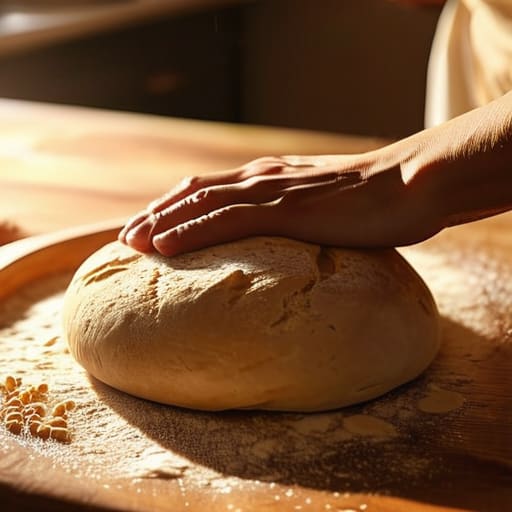
At the end of the day, baking isn’t just about the cookies or the perfect sourdough crust; it’s about the way the process forces you to slow down. We’ve talked about how the warmth of the oven acts as a physical hug, how the rhythmic nature of measuring ingredients serves as a form of moving meditation, and how those sensory details pull you right out of your head and back into the present moment. When life feels like it’s spinning out of control, there is something incredibly grounding about turning chaos into something delicious through the simple, steady act of creating.
So, the next time you feel that familiar tightness in your chest or your to-do list starts feeling insurmountable, don’t just sit there and let the anxiety simmer. Go find your apron, grab a bag of flour, and let the kitchen become your sanctuary. You don’t need to be a master pastry chef to reap the rewards; you just need to be willing to get your hands a little messy. Trust me, even if the cake sinks in the middle, the peace you find in the process is always going to be worth the extra flour on the floor.
Frequently Asked Questions
Do I need to be a good baker to actually get the stress-relief benefits, or is it okay if my recipes fail?
Look, if you’re aiming for a Michelin star, you’re doing it wrong. The second you start obsessing over a perfect rise or a flawless crumb, you’ve traded relaxation for performance anxiety. That’s the opposite of what we’re doing here. Honestly? A sunken cake or a slightly burnt batch is just part of the process. It’s okay to mess up. The magic isn’t in the final product; it’s in the messy, flour-covered middle.
Are there specific types of baking, like bread kneading versus delicate pastry work, that are better for anxiety?
It really depends on what your brain needs in the moment. If you’re feeling restless or have that jittery, nervous energy, I swear by bread kneading. It’s primal, physical, and lets you work out that tension through your palms. But if your anxiety feels more like a racing, scattered mind, go for delicate pastry work. The intense focus required for those tiny, precise layers forces you to quiet the noise and just be.
How much time should I realistically set aside for baking so it doesn't just become another overwhelming chore on my to-do list?
Look, if you try to squeeze a complex sourdough starter into a Tuesday night after a ten-hour workday, you’re going to end up more stressed than when you started. Don’t do that to yourself. My rule of thumb? Give yourself a dedicated “low-stakes” window—maybe two hours on a Sunday morning or a slow Thursday evening. If it feels like a race against the clock, it’s no longer therapy; it’s just unpaid labor.
