I was halfway through a frantic Monday morning scramble, trying to dig my car keys out from under a mountain of discarded mail and rogue sneakers, when I finally snapped. It wasn’t just the clutter; it was the realization that I had been lied to by every “minimalist” influencer on my feed. They make small entryway organization look like a zen-like ritual involving expensive marble consoles and perfectly curated ceramic bowls that you can’t actually use. Let’s be real: if your organization system requires you to live in a museum just to keep the floor clear, it’s a total failure.
I’m not here to sell you on a lifestyle you can’t maintain or a set of designer bins that cost more than your groceries. Instead, I’m going to give you the straightforward, battle-tested tactics that actually work when you have zero square footage and a busy life. We are going to tackle real-world chaos with smart, low-cost hacks that prioritize function over aesthetics. By the end of this, you’ll have a system for small entryway organization that actually stays organized, even when life gets messy.
Table of Contents
Mastering Minimalist Entryway Storage Solutions
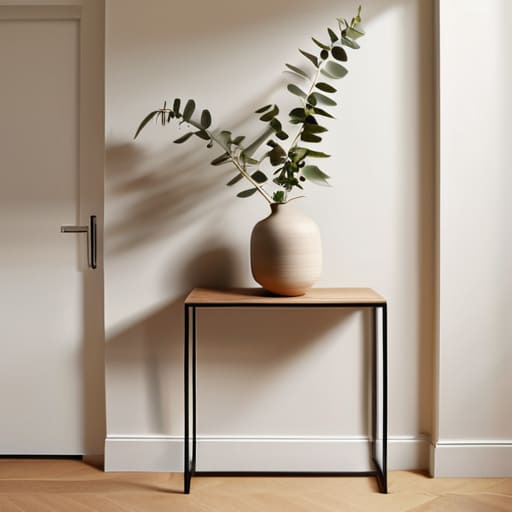
When you’re working with limited square footage, the biggest mistake is trying to cram in everything you own. Instead, lean into the “less is more” philosophy. The secret to minimalist entryway storage solutions isn’t about having more drawers; it’s about choosing pieces that serve a dual purpose without swallowing your floor space. Think about a slim console table that offers just enough room for your keys and mail while leaving plenty of breathing room for you to actually walk through.
If your floor space is non-existent, look up. Utilizing your vertical real estate is a total game-changer for tight quarters. I’m a huge fan of wall mounted entryway organizers because they keep the visual clutter off the ground, which instantly makes a cramped hallway feel wider and more intentional. A sleek peg rail or a few high-quality floating shelves can hold your daily essentials—like sunglasses, wallets, or even a single decorative plant—without making the area feel like a junk drawer. By keeping the floor clear, you create a sense of calm the second you step inside.
The Ultimate Wall Mounted Entryway Organizers Guide
If you’re feeling completely overwhelmed by the sheer amount of stuff competing for space, don’t feel like you have to figure it all out alone. I’ve found that sometimes just seeing how other people tackle these tight corners can spark that one lightbulb moment you need. If you need a bit more inspiration or some deeper dives into specific styling hacks, I always suggest checking out blogly for some really practical advice that goes way beyond just buying more bins.
When floor space is basically non-existent, you have to start looking up. If your entryway feels like a constant obstacle course, wall mounted entryway organizers are your absolute best friend. Instead of letting bags and coats pile up on a chair, use the vertical real estate you already pay for. I’m a huge fan of combining a sleek floating shelf with a row of sturdy hooks. This gives you a landing pad for your keys and sunglasses while keeping the heavy lifting—like your winter coats—off the ground.
If you’re working with a particularly tight squeeze, don’t just throw up some random pegs. Follow a basic entryway hook placement guide to ensure things actually make sense; keep the hooks for heavy items at shoulder height and lower ones for kids’ backpacks or light bags. This kind of strategic layering is one of my favorite apartment foyer organization tips because it turns a dead wall into a high-functioning command center without making the space feel cluttered or heavy.
5 Quick Wins to Reclaim Your Floor Space
- Stop the shoe pile-up by grabbing a slim, tiered shoe rack that fits right against the wall without blocking the walkway.
- Use a small decorative basket or a stylish bin for the “junk” that always migrates to the entryway, like loose keys, mail, or sunglasses.
- If you don’t have room for a bulky console table, try a floating shelf; it gives you a landing pad for your essentials without eating up precious floor real estate.
- Hang a mirror above your command center—it makes the cramped space feel twice as big and lets you do a quick hair check before you head out.
- Dedicate one specific hook for your most-used bag or backpack so it’s not just slumped on the floor waiting to be tripped over.
The Cheat Sheet for a Clutter-Free Entry
Think vertically—if you run out of floor space, start looking at your walls for hooks, shelves, and floating organizers.
Give every single item a “home,” from your heavy winter boots to those loose keys you always lose.
Less is actually more; don’t try to cram a mudroom’s worth of gear into a tiny hallway, or the chaos will just win.
The Golden Rule of Small Spaces
“Your entryway shouldn’t feel like a hurdle you have to jump over just to get inside; it should be the deep breath you take before you face the rest of your day.”
Writer
Making Your Space Work for You
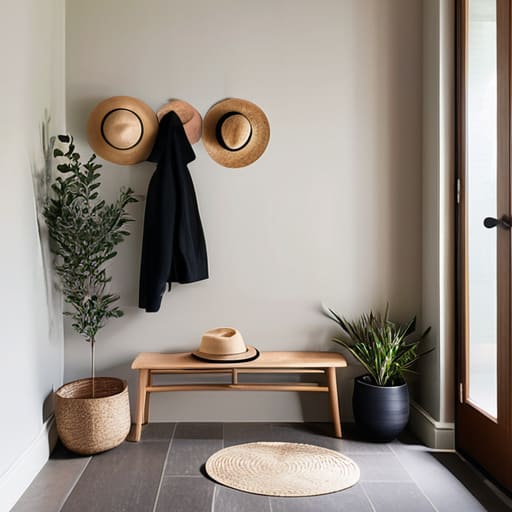
At the end of the day, mastering a small entryway isn’t about finding a magic piece of furniture that solves everything; it’s about being intentional with the inches you actually have. We’ve looked at how a minimalist approach keeps the clutter at bay and how leaning into wall-mounted solutions can literally free up your floor space for walking. Whether you decide to install a sleek row of hooks or invest in a slim-profile console table, the goal is the same: to create a system that works for your daily routine rather than fighting against it. Once you stop fighting the chaos and start organizing with purpose, that entryway stops being a bottleneck and starts being a functional part of your home.
Don’t feel like you have to overhaul the entire house in a single weekend. Start with one small change—maybe just a dedicated basket for your keys or a single hook for your heavy coat—and see how it shifts the energy when you walk through your front door. A tidy entryway does more than just look good in a photo; it sets the tone for your entire mood the moment you step inside after a long day. You deserve to walk into a home that feels calm and collected, not one that immediately stresses you out. So, grab a few bins, clear off that shoe pile, and take back your space.
Frequently Asked Questions
How can I organize my entryway if I don't have any floor space for a bench or shoe rack?
If your floor is non-existent, stop looking down and start looking up. When you can’t claim floor real estate, vertical space is your best friend. Think slim, floating shelves for keys and mail, or a heavy-duty wall-mounted shoe rack that keeps the sneakers off the ground. You can even use decorative wall hooks for bags and coats. It’s all about reclaiming that empty wall space so your walkway stays clear and clutter-free.
What are some budget-friendly DIY hacks for making a tiny mudroom look more expensive?
You don’t need a massive renovation budget to make a cramped mudroom feel high-end. Start by swapping out those basic plastic hooks for heavy brass or matte black hardware—it’s a tiny change that screams luxury. Next, ditch the mismatched floor mats for a cohesive, patterned runner to elongate the space. Finally, add a slim, floating shelf with a single ceramic vase. It’s all about intentionality; when everything has a curated spot, it looks expensive.
How do I keep a small entryway from looking cluttered when everyone in the house has bulky coats and bags?
The secret is to stop treating your entryway like a catch-all closet. If everyone’s bringing home heavy gear, you need a “staging area” rather than just hooks. Invest in a sturdy, slim bench with deep cubbies underneath—perfect for tucking away bulky bags or backpacks out of sight. For those massive winter coats, use heavy-duty, low-profile hooks, but limit the number of items hanging out at once. If it doesn’t fit, it goes in a bedroom closet.
