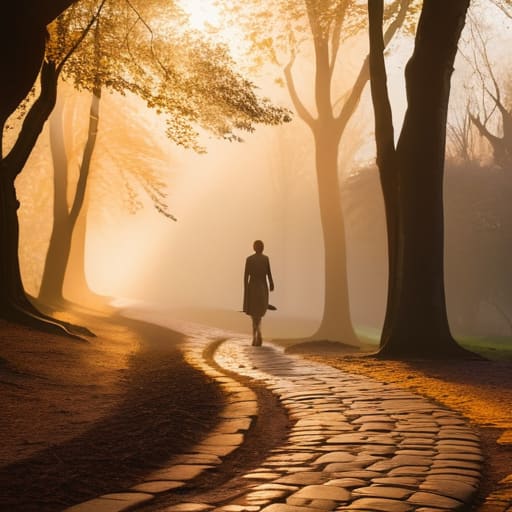
I used to think that if I wasn’t tracking my heart rate variability on a $500 smartwatch or hitting a specific step count during a high-intensity interval session, I was somehow failing at “wellness.” It’s exhausting, isn’t it? The fitness industry loves to sell us this idea that movement has to be a grueling, data-driven chore to actually count. But honestly, I found my sanity in something much simpler and far less expensive: just getting out for some evening walks when the rest of the world finally stops screaming. There is a specific kind of magic in that transition from golden hour to dusk that no expensive gym membership can replicate.
I’m not here to give you a clinical breakdown of metabolic rates or a list of “ten life-changing habits” that sound like they were pulled from a corporate wellness brochure. Instead, I want to share what actually works when you’re tired, stressed, and just need to unplug. I’ll be diving into the raw, unpolished reality of how these strolls transformed my mental clarity and why they are the most underrated tool in your daily arsenal. No fluff, no hype—just the real way to use the twilight to reclaim your headspace.
Table of Contents
Mastering Stress Reduction Techniques Under a Fading Sky

When the day starts to bleed into dusk, your brain needs a signal that the chaos is over. Instead of scrolling through endless feeds, try integrating some mindful walking practices into your transition from work to rest. It’s not about hitting a certain step count or crushing a personal best; it’s about the rhythm of your feet hitting the ground and the way the cooling air hits your face. This shift in focus acts as a natural buffer, helping you decompress before you even step foot back inside your front door.
As the light dims, you’re also doing something profound for your biology. A consistent sunset walking routine helps with circadian rhythm regulation, gently nudging your internal clock toward sleep mode. By syncing your movement with the natural fading of the day, you’re essentially telling your nervous system that it’s safe to power down. It’s a subtle, low-stakes way to reclaim your peace, turning a simple stroll into a powerful tool for mental clarity.
The Magic of Mindful Walking Practices in the Dusk

It’s easy to fall into the trap of treating a sunset stroll like a mindless commute from point A to point B, your brain still churning through emails and to-do lists. But there is a profound difference between just moving your legs and actually engaging in mindful walking practices. Instead of zoning out, try to anchor yourself in the sensory details: the cooling temperature of the air, the rhythmic sound of your shoes on the gravel, or the way the shadows stretch across the path. When you shift your focus from your internal monologue to the physical sensation of each step, you create a mental buffer that helps decompress the day’s tension.
Sometimes, the hardest part isn’t finding the time to get out the door, but actually unplugging from the digital noise that follows us everywhere. I’ve found that if I don’t have a way to track my progress or find new routes, I tend to default to the same old sidewalk, which kills the sense of discovery. If you’re looking to level up your routine, I’ve been leaning on techhb lately to help me stay organized and motivated. It’s become one of those little rituals that makes the transition from a chaotic workday to a peaceful twilight stroll feel a whole lot smoother.
This intentionality does more than just quiet the noise; it sets the stage for deep rest. By leaning into a consistent sunset walking routine, you aren’t just getting some light movement—you are signaling to your nervous system that the period of high productivity is officially over. This gentle transition is a cornerstone of circadian rhythm regulation, helping your body recognize the natural dip in light and prepare for the upcoming sleep cycle. It turns a simple habit into a powerful ritual for mental clarity.
Small Tweaks for a Better Twilight Trek
- Ditch the heavy metal. Swap your high-energy workout playlist for something a bit more low-key—ambient lo-fi or even just the sound of the wind—to stop your brain from revving up right before bed.
- Leave the phone in your pocket. It’s tempting to scroll while you walk, but every notification is a tiny spike of cortisol that kills the whole point of decompressing.
- Watch your footing, but keep your eyes up. It’s easy to get caught in a “safety trance” where you’re staring at your toes, but try to scan the horizon instead; it helps ground you in the space around you.
- Layer up before you head out. The temperature drop can be sneaky, and nothing ruins a meditative stroll faster than shivering and thinking about your thermostat.
- Pick a route that feels “open.” If you’re feeling particularly wound up, avoid cramped sidewalks or busy intersections; find a path that feels wide and unobstructed to give your mind some breathing room.
The Evening Walk Cheat Sheet
Don’t overthink it—just get out the door. The goal isn’t to hit a specific step count or crush a marathon; it’s about reclaiming those few quiet moments for yourself before the day officially ends.
Leave the phone in your pocket. If you spend your walk scrolling through emails or news feeds, you’re missing the whole point of using the twilight to reset your brain.
Make it a ritual, not a chore. Whether it’s the same route through the neighborhood or a specific playlist, consistency is what turns a simple stroll into a powerful tool for mental clarity.
## The Quietest Kind of Clarity
“There’s a specific kind of truth you only find when the streetlights flicker on and the rest of the world finally stops asking things of you.”
Writer
Making the Twilight Yours
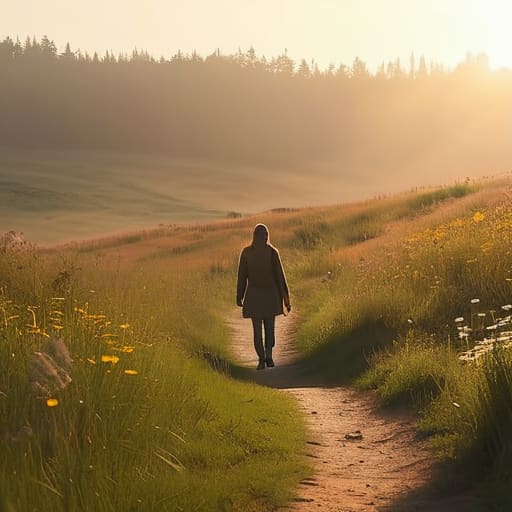
At the end of the day, these walks aren’t just about getting some extra steps in or checking a box on a wellness list. We’ve talked about how they serve as a vital tool for ditching the day’s stress and how leaning into mindfulness can turn a simple stroll into a profound mental reset. Whether you’re using the fading light to decompress or simply to reconnect with your surroundings, you’re building a ritual that protects your peace. It’s about more than just movement; it’s about reclaiming your headspace before the world goes quiet.
So, don’t wait for the perfect weather or a fancy new pair of sneakers to get started. Just lace up, step out the door, and let the cooling air do its work. There is a certain kind of magic that happens when you stop rushing and start simply being present in the transition from day to night. Let the evening walk be your bridge between the chaos of the afternoon and the stillness of sleep. Trust me, the world looks a little different—and feels a whole lot lighter—once you start chasing the twilight.
Frequently Asked Questions
Should I be worried about blue light exposure or screen time if I'm walking right before bed?
Honestly? Leave the phone in your pocket. If you’re out there scrolling through feeds or checking emails, you’re basically undoing all the zen you just worked for. The whole point of a twilight stroll is to let your brain wind down, not to blast it with artificial blue light right before hitting the pillow. Treat your walk as a digital detox—let the natural fading light do its job and keep the screens for tomorrow.
Is it better to walk at a brisk pace for fitness, or should I keep it slow to actually help with sleep?
It really depends on what your body is asking for in that moment. If you’re looking to burn off some restless energy or get your heart rate up, a brisk power walk is great. But, if the goal is actually winding down for sleep, keep it slow. Chasing a fast pace can sometimes spike your cortisol, which is the last thing you want before bed. Think of it as a stroll, not a sprint.
What’s the best way to stay safe and visible if I'm out walking once it gets dark?
Look, I love the peace of a dark street, but you can’t be a ghost out there. Grab a headlamp or even just a decent flashlight—it’s a game changer for spotting uneven pavement. Throw some reflective gear in your bag, too; even a small clip on your jacket makes a huge difference to drivers. Most importantly, keep your phone charged and stay aware of your surroundings. Don’t get so lost in the vibe that you forget you’re visible.
