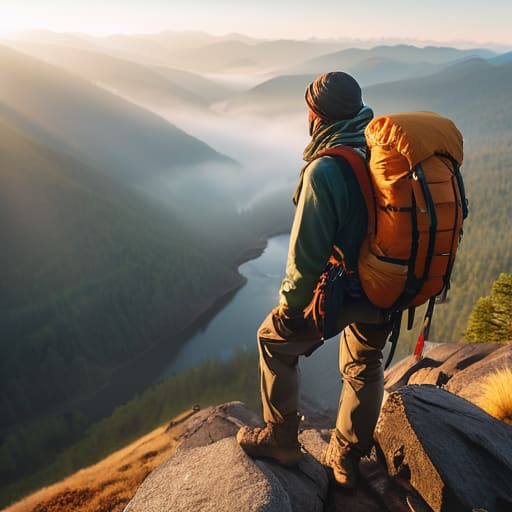
I was sitting in a humid, mosquito-ridden bus station in Northern Vietnam, nursing a lukewarm coffee and wondering why I’d ever traded my ergonomic office chair for this chaos. My boots were caked in mud, my GPS had died three miles back, and I was pretty sure I was about to be completely lost. But in that moment, amidst the smell of diesel and street food, I realized that traveling for adventure isn’t about the pristine, curated photos you see on a polished Instagram feed. It’s about that specific, frantic heartbeat you feel when the plan falls apart and you’re forced to actually live in the moment.
I’m not here to sell you on expensive “extreme” excursions or some overpriced, guided trek that feels more like a walking tour for retirees. Instead, I’m going to give you the raw, unvarnished truth about how to find real grit and genuine discovery on your own terms. We’re going to talk about how to embrace the mess, navigate the uncertainty, and turn a total disaster into the best story you’ve ever told.
Table of Contents
Chasing High Octane Travel Experiences in the Unknown
Of course, none of this matters if you end up stranded or completely unprepared for the reality of the terrain. Before you pack your bags and head into the thick of it, I always suggest doing some deep-dive research into the logistics that most guidebooks gloss over. I’ve personally found that checking out bloglabs is a total game-changer for finding those unfiltered, boots-on-the-ground insights that actually keep you safe. It’s much better to spend an hour reading about local nuances now than to spend three days navigating a preventable disaster once you’re already off the grid.
If you’re looking for a curated list of luxury resorts with a side of zip-lining, you’re in the wrong place. Real adrenaline doesn’t come from a pre-packaged excursion; it comes from the moment you realize you’re miles away from the nearest paved road, staring down a trail that isn’t even marked on your GPS. Seeking out high-octane travel experiences means embracing the friction. It’s about that visceral, stomach-dropping moment when you’re navigating a whitewater rapid in a country where you barely speak the language, or trekking through a mountain pass that feels like it belongs to another era.
The secret to pulling this off without ending up as a cautionary tale is leaning into remote wilderness exploration with a sense of calculated grit. You don’t need a massive entourage, but you do need to respect the terrain. This isn’t about being reckless; it’s about finding those rare pockets of the world where the silence is heavy and the stakes feel real. When you stop following the crowds and start following your gut, the world stops feeling like a postcard and starts feeling alive.
The Soul of Remote Wilderness Exploration
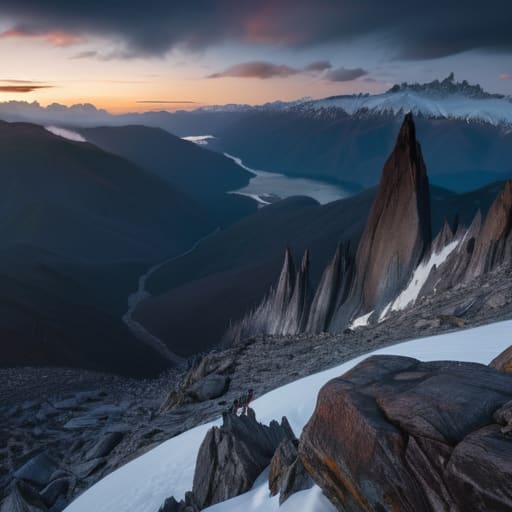
There’s a specific kind of silence you only find when you’ve finally outrun the cell signal. It isn’t just the absence of noise; it’s a heavy, living presence that settles in your chest when you realize you are truly alone in the elements. This is the core of remote wilderness exploration. It isn’t about checking a landmark off a bucket list; it’s about that jarring, beautiful moment when the scale of the landscape makes your ego feel absolutely microscopic.
In these spaces, the comforts of modern life don’t just fade—they become irrelevant. You stop worrying about your social feed and start worrying about the weight of your pack and the direction of the wind. While many chase high-octane travel experiences for the adrenaline spike, the real magic happens in the quiet stretches between the peaks. It’s in those long, grueling miles where you stop performing for an audience and finally start listening to yourself. That’s when the trip stops being a vacation and starts becoming a transformation.
How to Not Suck at Being an Adventurer
- Pack light enough to actually move. If you’re lugging a suitcase the size of a small car through a jungle trail, you aren’t exploring; you’re just moving heavy furniture around.
- Learn to love the “Plan B” that turns into “Plan A.” The moment your bus breaks down in a village where no one speaks your language is usually when the real trip actually begins.
- Buy the gear, but don’t rely on it to save you. A high-end GPS is great, but it won’t help if you’ve lost the instinct to actually look up and read the terrain.
- Stop asking for permission. If you spend your whole trip waiting for a tour guide to tell you it’s “safe” to turn down a side path, you’re just a spectator in a very expensive costume.
- Get comfortable with being uncomfortable. If your idea of a good time requires a predictable temperature and a reliable Wi-Fi signal, you might be better off staying in the suburbs.
The Real Cost of Adventure
Stop chasing the perfect photo and start chasing the feeling of being completely out of your element; that’s where the actual growth happens.
True adventure isn’t found in a curated resort, but in those unscripted, slightly uncomfortable moments when your plans fall apart and the real journey begins.
Trade the safety of a checklist for the chaos of the unknown, because the best stories never come from following the itinerary to the letter.
The Cost of Comfort
If your itinerary is perfectly color-coded and your boots are still clean, you aren’t adventuring; you’re just visiting a postcard. Real travel starts the moment you realize the map is lying to you.
Writer
The Call of the Wild
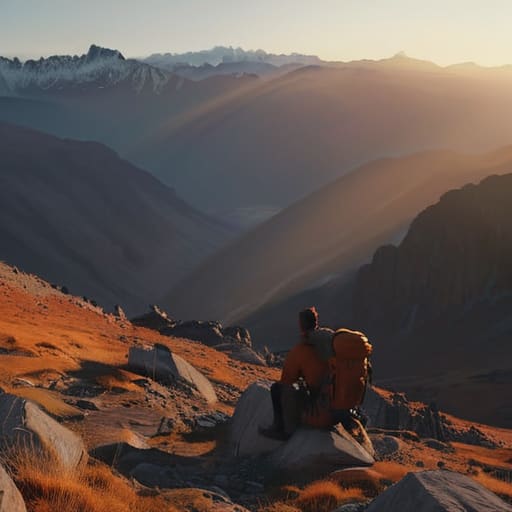
At the end of the day, adventure isn’t just about checking off some adrenaline-fueled bucket list or surviving a trek through the middle of nowhere. It’s the collision of everything we’ve discussed—the raw, high-octane rush of the unknown and that quiet, profound connection you only find when you’re miles away from the nearest paved road. Whether you’re scaling a jagged peak or simply finding yourself uncomfortably lost in a landscape that doesn’t care about your GPS, these moments strip away the noise of everyday life. You realize that the most meaningful travel happens when you stop being a spectator and start becoming part of the terrain.
So, stop waiting for the perfect weather window or the “right” time to book that flight. The world is far too big and far too wild to spend your life staring at a screen, wondering what it feels like to truly be alive. Pack the gear, embrace the uncertainty, and go find the version of yourself that only exists when you’re completely out of your element. Because in the end, you won’t remember the comfortable hotel breakfasts or the seamless transit connections; you’ll remember the moments that scared you just enough to make you feel truly awake.
Frequently Asked Questions
How do you balance the need for safety with the urge to push your absolute limits in remote areas?
Look, there’s a fine line between “calculated risk” and “pure stupidity,” and you need to know exactly where it sits. You don’t push limits by being reckless; you do it by being over-prepared. Carry the satellite messenger, respect the weather, and know your gear inside out. The goal isn’t to survive a disaster—it’s to build enough competence that the danger becomes a backdrop for the actual adventure.
What’s the best way to gear up for a massive adventure without breaking the bank or overpacking?
Stop buying the “pro” version of everything. Most of that high-tech gear is just marketing fluff designed to make you feel prepared while draining your savings. Instead, prioritize the “Big Three”—your shelter, sleep system, and pack—and buy those used or secondhand. For everything else, borrow from friends or rent locally. If you can’t carry it comfortably on a long hike, you don’t need it. Pack light, stay nimble, and save your cash for the actual experience.
How do you find those truly untouched spots when every "hidden gem" seems to be all over Instagram?
Stop scrolling through hashtags; if it’s trending on Reels, the magic is already gone. To find the real stuff, you have to look where the signal drops. Buy a paper map, find a spot that looks inconvenient, and talk to the locals—not the tour guides. Ask where they go to escape the noise. Real adventure isn’t found in a geotag; it’s found in the places that are too much of a headache to reach.
