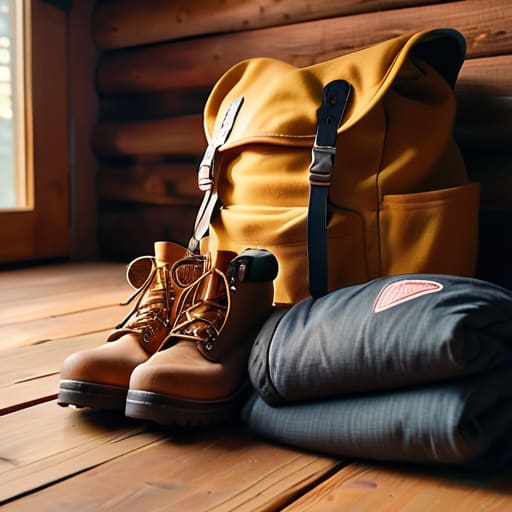
I still remember the exact moment I realized I’d messed up: sitting on a freezing granite ledge at 11,000 feet, shivering uncontrollably because I’d listened to some “expert” influencer telling me I could skip the heavy layers to save weight. My teeth were chattering so hard I could barely zip my jacket, and that was the day I learned that packing for mountains isn’t about looking aesthetic for the ‘gram—it’s about survival. There is a massive difference between what looks good in a gear catalog and what actually keeps you alive when the weather turns sideways in a heartbeat.
Look, I’m not here to sell you a thousand-dollar titanium spork or a specialized gadget you’ll use exactly once. I’ve made every single mistake in the book so you don’t have to. In this guide, I’m giving you the unfiltered truth about what actually belongs in your pack and what is just dead weight. We’re going to focus on high-utility essentials and smart layering strategies that work in the real world, ensuring you stay warm, dry, and ready for anything the trail throws at you.
Table of Contents
The Science of a Perfect Layering System for High Altitude
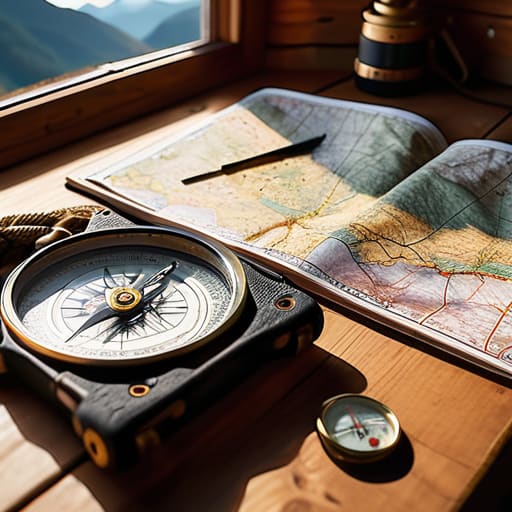
Beyond just the gear itself, staying organized with your itinerary can make or break your mountain experience. I’ve found that having a solid plan for your route and weather contingencies saves a massive amount of mental energy when you’re actually on the trail. If you’re looking for some extra inspiration or a structured way to map out your next adventure, I highly recommend checking out the guides over at bloglabs; they have some truly insightful breakdowns that helped me fine-tune my own approach to remote trekking. It’s one of those resources that makes the pre-trip grind feel a lot less overwhelming.
Look, the biggest mistake people make is thinking a single, heavy jacket is enough to handle a mountain’s mood swings. In reality, you need a strategic layering system for high altitude that works with your body’s biology, not against it. It’s all about moisture management. If you sweat through a heavy fleece because you didn’t vent your layers, that dampness turns into a literal ice block against your skin the second you stop moving. You want to trap air—the best insulator we have—while ensuring you can shed heat the moment your heart rate spikes on a steep ascent.
This is where technical apparel for hiking becomes a game-changer rather than just a luxury. You’re looking for a base layer that pulls sweat away from your skin, a mid-layer to hold that precious warmth, and a shell that acts as your fortress against wind and sleet. It’s a delicate balancing act of backpacking weight management; you want enough protection to stay alive, but you don’t want to be hauling a literal ton of gear up a ridge. Get the layers right, and you control your microclimate. Get them wrong, and the mountain controls you.
Smart Backpacking Weight Management for Long Treks
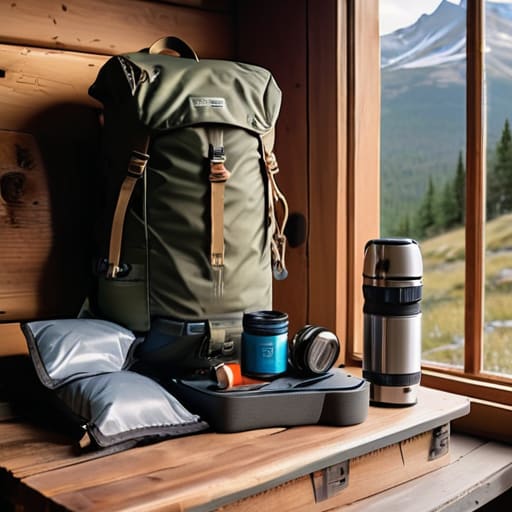
Look, there is a very fine line between being “prepared” and being a pack mule. I’ve made the mistake of overpacking before, thinking every extra gadget was a lifesaver, only to realize that a heavy pack is actually your biggest liability on a steep ascent. Effective backpacking weight management isn’t about stripping away your safety net; it’s about being ruthless with your gear selection. If you haven’t used a piece of equipment on your last three trips, it probably shouldn’t be taking up precious space in your bag.
The trick is to prioritize multi-use items that support your mountain weather preparedness without adding unnecessary bulk. Instead of bringing three different heavy tools, find one high-quality piece that does the job. Every extra ounce feels like a pound once you hit the five-mile mark, so aim for a kit that focuses on high-performance, lightweight materials. You want to carry enough essential mountain safety gear to handle a sudden storm, but you don’t want to be so weighed down that you’re too exhausted to actually enjoy the view.
The "Don't Be That Person" Checklist
- Stop overpacking “just in case” items. If you haven’t used it on your last three trips, it’s probably just dead weight that’s going to kill your knees on the ascent.
- Treat your electronics like gold. Pack your power banks and GPS units in a waterproof dry bag; there is nothing more soul-crushing than a dead phone when you’re trying to navigate a descent in the fog.
- Organize by frequency of use. Don’t bury your rain shell at the very bottom of your pack under three layers of sleeping gear—you’ll be fumbling with it while you’re already soaked and shivering.
- Double-bag your essentials. Even if your pack claims to be “waterproof,” it isn’t. Throw your spare socks and sleeping bag into lightweight dry sacks to ensure you actually have something dry to sleep in.
- Check your footwear before you leave the house. I know it sounds obvious, but packing a fresh pair of lightweight camp shoes or sandals is a total game-changer for letting your feet breathe after ten miles of heavy boots.
The Bottom Line Before You Hit the Trail
Master your layers like a pro—it’s not about how much gear you have, but how quickly you can swap it to match the mountain’s mood.
Every ounce counts when your legs are burning; if you haven’t used an item in your pack for three days, it’s probably dead weight.
Always prioritize your “safety essentials” over comfort items, because a heavy pack is a nuisance, but missing gear is a disaster.
The Golden Rule of the Trail
“Every ounce you carry is a tax you pay on your energy; pack for the worst weather you might face, but never let your gear become the very thing that prevents you from actually enjoying the view.”
Writer
Final Thoughts Before You Hit the Trail
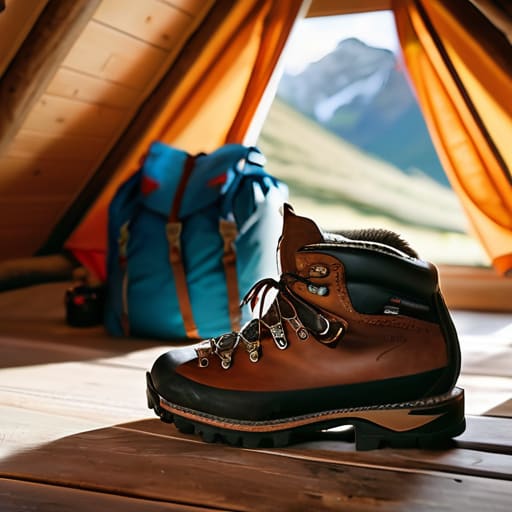
At the end of the day, packing for the mountains isn’t about following a rigid checklist or owning the most expensive technical gear on the market. It’s about finding that sweet spot where your layering system keeps you warm without turning you into a walking radiator, and where your pack weight is light enough to keep you moving but heavy enough to actually keep you safe. Remember, every ounce you carry is a trade-off between comfort and capability. If you focus on intentionality over excess, you’ll find that you aren’t just carrying stuff—you’re carrying the tools that allow you to focus on the climb rather than your aching shoulders.
Once you’ve dialed in your gear and double-checked your kit, stop overthinking it. The mountains don’t care how professional your gear looks; they only care that you are prepared for the reality of the terrain. There is a specific kind of magic that happens when you step onto a trailhead, knowing your pack is balanced and your layers are ready for whatever the weather throws at you. So, lace up those boots, trust your preparation, and get out there. The summit is waiting, and it’s much better enjoyed when you aren’t constantly fighting your own equipment.
Frequently Asked Questions
How do I decide between a lightweight tent and something more heavy-duty if the weather turns?
It really comes down to your tolerance for misery versus your stamina. If you’re a gram-counter pushing for speed, go lightweight, but carry a high-quality emergency bivy as a backup. However, if you’re trekking through unpredictable zones where wind can turn nasty overnight, don’t skimp. A heavy-duty, freestanding tent is worth the extra weight if it means you actually sleep instead of fighting a collapsing fly all night.
What’s the best way to organize my pack so I’m not digging for my rain shell in the middle of a storm?
Stop burying your essentials at the bottom of the bag. Use the “zone method”: keep your rain shell, first aid, and snacks in the top lid or side pockets for immediate access. Everything else follows a hierarchy—heavy stuff like food and water goes centered and close to your spine, while sleeping gear goes at the bottom. If you’re digging for ten minutes while getting soaked, you’ve already lost the battle.
Is it actually worth carrying a heavy power bank, or should I just rely on my phone's battery life?
Look, I’ve learned this the hard way: trust your phone’s battery life at your own peril. Between GPS tracking, taking photos, and the freezing temperatures that kill lithium-ion cells, your phone will die way faster than you expect. Carrying a decent power bank adds a little weight, sure, but it’s a small price to pay for not being stuck in the dark without a map or a way to call for help.
