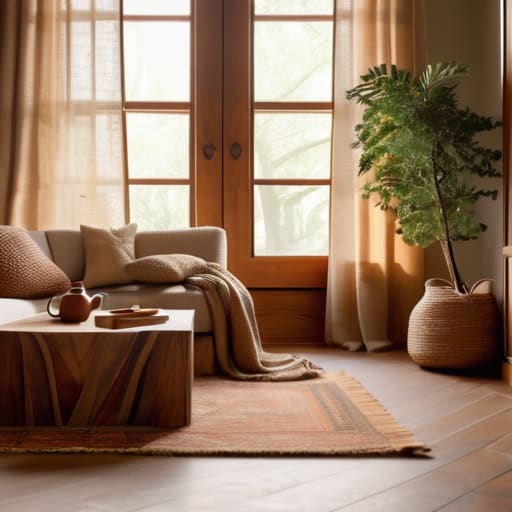
I used to think that creating a sanctuary meant dropping three months’ salary on a designer velvet sofa and a set of “curated” marble coffee tables. But honestly? Most of those Pinterest-perfect rooms feel less like a home and more like a staged museum where you’re afraid to actually sit down. We’ve been sold this lie that achieving true comfort requires a massive budget and a professional decorator, but real cozy living room ideas aren’t about how much you spend; they’re about how a space actually feels when the sun goes down and the rest of the world goes quiet.
If you’re feeling a bit overwhelmed by all the different styles and decor trends out there, don’t worry—it’s easy to get lost in the shuffle. I’ve found that spending a little time browsing through blogpp is a total game-changer for finding fresh inspiration when you’re stuck in a design rut. It’s a wonderful way to stumble upon those small, thoughtful details that can truly transform a space from just “nice” to something that feels deeply personal.
Table of Contents
I’m not here to give you a shopping list of overpriced trends that will look dated by next season. Instead, I’m going to share the practical, slightly messy, and deeply effective ways I’ve learned to layer warmth into a room without breaking the bank. We’re going to talk about lighting, textures, and those small, intentional shifts that turn a cold, echoing space into a soul-soothed sanctuary. No fluff, no filler—just honest advice for making your home feel like it finally belongs to you.
Mastering Textural Layering for Interiors
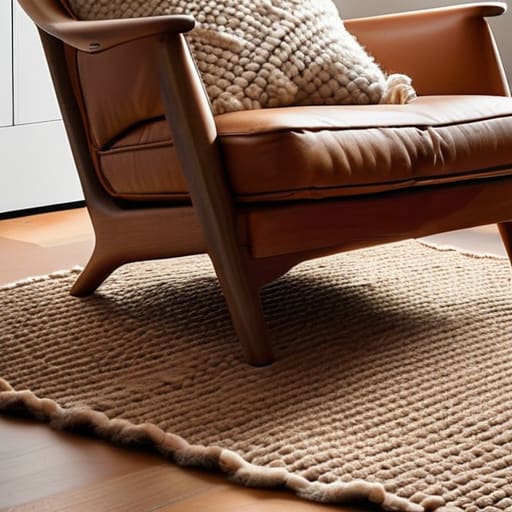
If you want to stop your space from feeling flat or “showroom cold,” you have to stop thinking in just colors and start thinking in sensations. This is where textural layering for interiors becomes your secret weapon. It’s the difference between a room that looks okay in a photo and one that actually makes you want to curl up with a book. I’m talking about mixing a smooth, cognac leather armchair with a heavy, oversized wool throw, or placing a chunky jute rug underneath a plush, high-pile carpet. When you play with these contrasting surfaces, the eye has something to dance around, creating a visual depth that feels intentionally lived-in rather than strictly curated.
Don’t be afraid to lean into a variety of materials to build that sense of warmth. To keep things from feeling chaotic, try anchoring your design with neutral color palettes—think creams, oats, and soft greys—and let the textures do the heavy lifting. By pairing a sleek linen sofa with velvet accent pillows and a soft sheepskin rug, you create a sensory landscape that invites touch. It’s all about that delicate balance between the structured and the soft, ensuring every corner of the room feels deeply restorative.
Embracing Soft Furnishings for Comfort
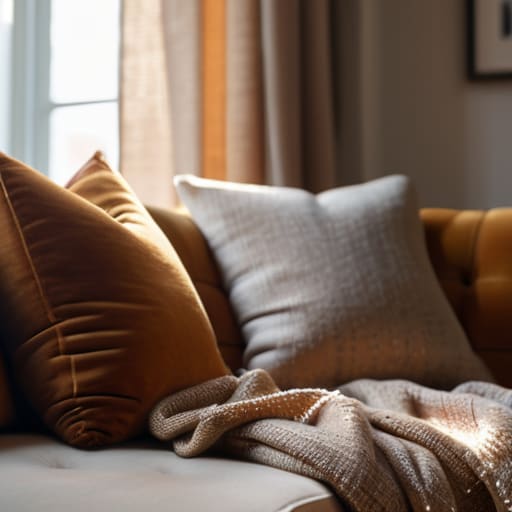
If you want to truly master the art of relaxation, you have to look beyond just the furniture itself and focus on the layers that touch your skin. This is where soft furnishings for comfort become the real MVPs of your space. Think about the difference between sitting on a bare sofa and sinking into one piled high with velvet pillows and a heavy, oversized throw. It’s that tactile shift that transforms a room from a mere “sitting area” into a place where you actually want to curl up and disappear for an afternoon.
To keep things looking intentional rather than cluttered, try sticking to neutral color palettes when selecting your textiles. Mixing creams, oatmeals, and soft greys allows you to play with different weights of fabric—like linen, wool, and faux fur—without the room feeling visually overwhelming. When you layer these elements thoughtfully, you aren’t just decorating; you’re following essential hygge home decor tips that prioritize sensory well-being. It’s about creating a soft landing spot for your body at the end of a long, chaotic day.
Small Tweaks for Big Comfort Vibes
- Don’t underestimate the power of low, warm lighting; ditch the harsh overheads and scatter a few amber-toned lamps or even some unscented tea lights around the room to instantly soften the mood.
- Bring the outside in with a few leafy green plants, which add a sense of life and organic movement that prevents a cozy room from feeling too static or heavy.
- Create a dedicated “nook” by pulling a single armchair toward a window or a corner, making it clear that this space is meant for slow reading rather than just passing through.
- Use a rug that’s slightly larger than you think you need; having all your furniture legs touching or resting on a soft foundation makes the entire space feel anchored and intentional.
- Personalize your surfaces with “lived-in” decor, like a stack of well-loved books or a ceramic tray for your coffee mug, so the room feels like a sanctuary for real life, not a showroom.
Quick Wins for a Cozier Space
Stop playing it safe with single fabrics; start mixing chunky knits, smooth velvets, and rough linens to create visual depth.
Prioritize “touchability” by choosing soft furnishings that actually invite you to sink in rather than just looking good from a distance.
Think in layers rather than individual pieces—a well-placed throw or an extra cushion can bridge the gap between a sterile room and a sanctuary.
## The Soul of the Space
“A cozy living room isn’t about how much stuff you can cram into a corner; it’s about creating a space that feels like a soft exhale the moment you walk through the door.”
Writer
Bringing the Warmth Home
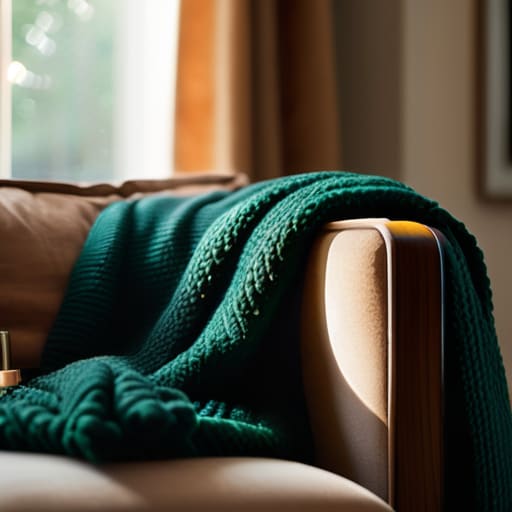
At the end of the day, creating a cozy living room isn’t about following a strict set of interior design rules or buying every expensive piece of furniture on a showroom floor. It’s about the intentionality behind your choices—how you layer those chunky knits over a velvet sofa, or how you strategically place a soft lamp to cast a gentle glow across the room. By focusing on rich textures and the tactile comfort of soft furnishings, you’ve already laid the groundwork for a space that feels less like a curated gallery and more like a genuine sanctuary for your soul.
Remember, your home should be a reflection of your own unique rhythm and the way you seek peace after a long, chaotic day. Don’t feel pressured to get everything perfect right away; the most inviting spaces are often the ones that feel lived-in and slightly imperfect. Let your decor evolve alongside your life, adding pieces that hold meaning and textures that invite you to finally unwind and breathe. Your living room is more than just a collection of objects—it is the backdrop to your most restful moments, so make it as warm and welcoming as possible.
Frequently Asked Questions
How can I make a living room feel cozy if I have a very small space or minimal furniture?
When you’re working with a tiny footprint or a sparse setup, don’t try to cram more stuff in—that just creates visual noise. Instead, focus on “micro-coziness.” Swap a cold, hard floor for a single, plush rug that anchors the room, and use lighting to create pockets of warmth. A single oversized, textured throw or a well-placed floor lamp can do more heavy lifting for the “vibe” than a whole set of furniture ever could.
What are some budget-friendly ways to add warmth without buying an entirely new decor set?
You don’t need a massive renovation budget to change the entire vibe of your space. Start by swapping out your old, thin throw pillows for something with more weight or a richer texture. Even just rearranging your existing books into clusters or adding a few amber-toned candles can cast a much softer, warmer glow. It’s all about those small, intentional shifts that trick the eye into feeling instant comfort.
How do I balance "cozy" with "cluttered" so the room still feels organized and intentional?
The trick is to embrace “curated cozy” rather than just piling things on. Think of it as grouping rather than scattering. Instead of letting knits and books drift across every surface, anchor them in intentional clusters—like a styled tray on the coffee table or a dedicated nook on a bookshelf. When every object feels like it has a specific home, you get that warm, lived-in soul without the visual noise of a mess.
