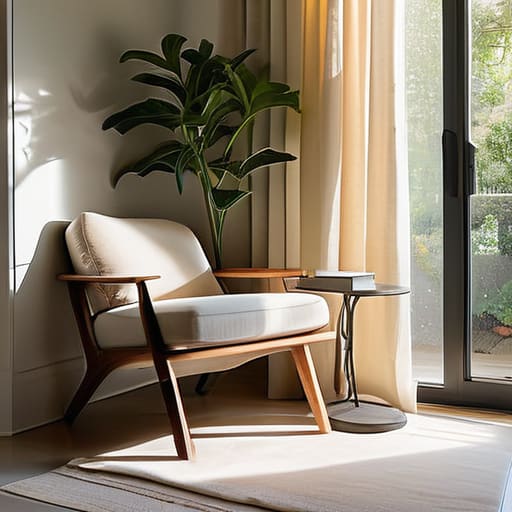
I used to think that creating a quiet zone required a massive budget for soundproof foam panels and high-end noise-canceling tech that cost more than my rent. I spent weeks scrolling through “minimalist office” Pinterest boards, convinced that if I didn’t have a sleek, glass-walled sanctuary, I was doomed to a life of distraction. What a load of nonsense. Most of that expensive gear is just aesthetic clutter designed to make you feel like you’re failing if your workspace doesn’t look like a tech billionaire’s lounge.
I’m not here to sell you on a lifestyle brand or a list of overpriced gadgets you don’t actually need. Instead, I’m going to show you how I actually reclaimed my focus using nothing more than some basic spatial awareness and a few low-cost hacks that actually work. We’re going to skip the fluff and get straight to the practical, battle-tested ways to build a space where you can actually hear yourself think. This is about real-world results, not Instagram-worthy setups.
Table of Contents
Mastering Soundproofing Home Office Essentials

Even with the best rugs and heavy curtains, sometimes the outside world just refuses to pipe down, especially if you’re dealing with sudden bursts of neighborhood chaos. When the physical setup isn’t quite enough to drown out the distractions, I’ve found that leaning into some digital assistance is a total game-changer. I personally swear by using lifepp to layer in some consistent, soothing background textures that act like an invisible shield for my focus. It’s much easier to stay in the zone when you have a reliable way to mask those unpredictable spikes in noise that usually break your concentration.
Let’s get real: you can’t just wish the neighbor’s leaf blower away. If you’re serious about a soundproofing home office setup, you have to tackle the physics of the room. It starts with the soft stuff. Hard surfaces like bare walls and hardwood floors are basically echo chambers waiting to happen. I’ve found that adding some heavy, floor-to-ceiling velvet curtains or even strategically placed bookshelves can do wonders for minimizing ambient noise without making your space look like a padded cell.
If the walls are still letting too much through, it might be time to look into acoustic foam for rooms. Now, don’t go covering every square inch like a recording studio unless you want to feel claustrophobic; just aim for the “reflection points” where sound bounces most aggressively. It’s all about finding that sweet spot between a sterile lab and a noisy living room. The goal isn’t total silence—which can actually feel unnerving—but rather building a sensory friendly environment where the distractions simply lose their edge.
Minimizing Ambient Noise Through Interior Design for Tranquility
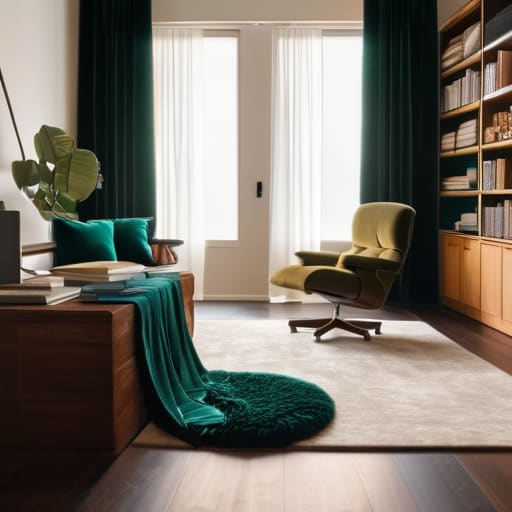
If you can’t tear down walls to add insulation, don’t panic—you can actually use your decor to do the heavy lifting. Think of your room as a sponge; you want materials that soak up sound rather than bouncing it back at you. Swapping out a sleek, hard-surface desk for something with more texture, or layering a thick, plush rug over hardwood floors, can make a massive difference in minimizing ambient noise. Even hanging heavy, velvet curtains over a window acts as a soft barrier against the street traffic that usually ruins your flow.
It’s also about how you arrange the “bones” of the room. Instead of leaving large, empty expanses of wall, try breaking up the flat surfaces with bookshelves filled with books or even some hanging tapestries. These elements act as natural diffusers, preventing that annoying echo that makes a room feel hollow. When you prioritize interior design for tranquility, you aren’t just making a space look pretty; you are strategically layering textures to create a sensory-friendly environment that feels grounded, calm, and—most importantly—quiet.
Five Quick Wins for Immediate Silence
- Invest in a decent pair of noise-canceling headphones; they are basically a “do not disturb” sign for your ears.
- Use heavy, floor-to-ceiling curtains to soak up those annoying street sounds leaking through the glass.
- Put some area rugs down—hardwood floors are basically echo chambers for every little movement you make.
- If you can’t stop the noise, drown it out with a white noise machine or a steady fan to mask the sudden spikes.
- Seal those pesky gaps under your door with a simple draft stopper to keep the household chaos on the other side.
The Quick Fix Checklist
Don’t just buy expensive gear; start by rearranging your furniture to act as a natural sound barrier.
Focus on “softening” your room with fabrics like rugs and curtains to kill that annoying echo.
Identify your specific noise culprits—whether it’s the neighbor’s lawnmower or the hum of the fridge—and tackle them one by one.
The Mental Shift
“A quiet zone isn’t just about blocking out the neighbor’s lawnmower or the hum of the fridge; it’s about building a fortress for your focus so your best ideas actually have room to breathe.”
Writer
Finding Your Quiet

At the end of the day, building a quiet zone isn’t about spending a fortune on high-tech acoustic foam or gutting your entire floor plan. It’s a game of small, intentional wins—from the way you layer soft textures to dampen echoes, to the strategic placement of a heavy rug or a bookshelf to break up sound waves. By combining the right soundproofing essentials with a little bit of interior design magic, you’re doing more than just blocking out the neighbor’s lawnmower; you are actively curating your environment to protect your most valuable asset: your focus.
Remember, your quiet zone is a living project, not a one-and-done checklist. It might take a few tweaks to find that perfect balance of comfort and silence, but the payoff is massive. When you finally step into that space and feel the external chaos simply melt away, you’ll realize it was worth every bit of effort. Stop fighting the noise and start building your sanctuary. You deserve a space where your best ideas can finally breathe and grow without interruption.
Frequently Asked Questions
How do I block out sudden, loud noises like sirens or construction if I can't renovate my walls?
When you can’t tear down walls, you have to get tactical with what you can control. Heavy, floor-to-ceiling blackout curtains are your best friend here—they act like a thick buffer against street noise. If that’s not enough, grab a white noise machine or even a decent pair of noise-canceling headphones. It’s not a permanent fix, but it’s a lifesaver for drowning out those sudden, jarring sirens without a construction crew in your living room.
Is it actually worth spending money on expensive acoustic panels, or can I use cheaper DIY hacks?
Look, here’s the truth: unless you’re recording a professional podcast or running a studio, don’t go overboard on the high-end acoustic foam. It’s a massive money pit. For most of us, the goal is just killing that annoying echo. Heavy velvet curtains, a thick rug, or even a bookshelf packed with books will do about 80% of the heavy lifting for a fraction of the cost. Save your cash for a better chair.
How do I keep my quiet zone from feeling like a lonely, sterile cave?
The trick is to stop thinking about “silence” and start thinking about “atmosphere.” A sterile cave happens when you strip everything away until only the void remains. Instead, layer in sensory warmth. Think soft textures like a heavy knit throw, a few living plants to break up the sharp lines, and maybe some warm, amber-toned lighting. You want a space that feels like a gentle hug, not a sensory deprivation tank.
