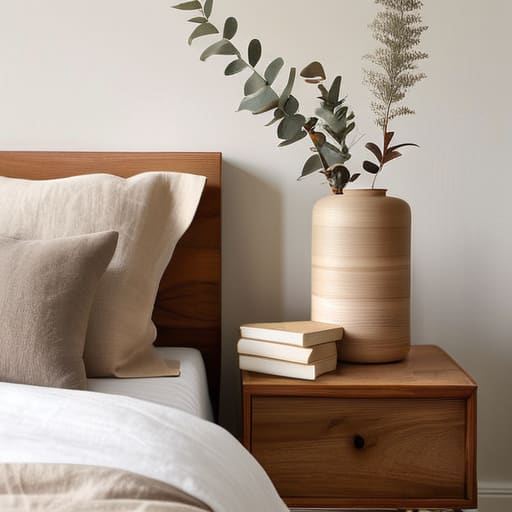
I used to think that achieving the perfect look meant spending thousands on those “aesthetic” beige linen sets and designer sculptural lamps you see all over Pinterest. But let’s be real: most of what passes for minimalist bedroom decor online is just an expensive, sterile version of a hospital room that feels completely lifeless. You don’t need a massive budget or a showroom-ready suite to find peace; you just need to stop letting the clutter win.
I’m not here to sell you on a lifestyle of empty white boxes or overpriced “essential” pieces that serve no purpose. Instead, I’m going to share the real-world strategies I’ve used to strip away the chaos without losing the soul of my space. We’re going to focus on practical, high-impact changes that prioritize comfort and clarity over social media trends. By the end of this, you’ll have a functional sanctuary that actually feels like home, not a curated museum exhibit.
Table of Contents
Curating a Zen Bedroom Atmosphere Through Intention
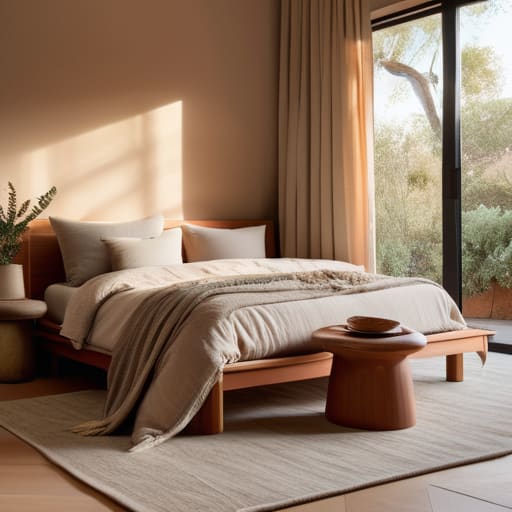
Once you’ve settled on a color story, the next step is often the most overwhelming: actually sourcing the pieces that fit the vision without cluttering your space with “just in case” items. I’ve found that the secret to staying disciplined is having a reliable way to curate your aesthetic before you ever hit the checkout button. If you’re feeling stuck on how to pull your various inspirations together into a cohesive look, I always find it helpful to browse blogly to see how others are balancing texture and form. It’s a great way to refine your eye and ensure every single piece you bring into your sanctuary truly earns its place.
Creating a sanctuary isn’t just about what you put in the room; it’s about what you choose to leave out. To truly master a zen bedroom atmosphere, you have to move beyond surface-level aesthetics and start thinking about the energy each object holds. When every item in your space serves a specific purpose—whether it’s functional or purely restorative—the room begins to feel lighter. This shift toward intentional living means you stop collecting “stuff” and start curating experiences.
Instead of chasing every passing trend, lean into a sense of visual quiet. This is where scandinavian bedroom aesthetics really shine, utilizing clean lines and natural textures to ground the space without overwhelming the senses. By focusing on a few high-quality pieces rather than a mountain of knick-knacks, you create a rhythmic flow that allows your mind to settle the moment you walk through the door. It’s about finding that sweet spot where simplicity meets comfort, ensuring your environment works with you, not against you, as you wind down for the night.
The Power of Monochromatic Color Palettes
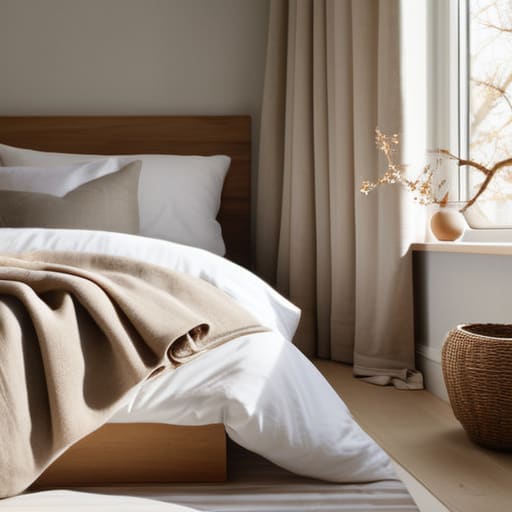
When you strip away the visual noise of clashing colors, something magical happens to your brain. Using monochromatic color palettes isn’t about making a room look boring or sterile; it’s about creating a cohesive visual language that allows your eyes to rest. Instead of jumping from a bright red pillow to a navy blue rug, you’re guiding your gaze through subtle shifts in tone and texture. Think of soft oatmeal linens paired with a sand-colored duvet or varying shades of slate gray. This approach is a cornerstone of scandinavian bedroom aesthetics, where the goal is to harness natural light rather than fighting it with heavy, saturated hues.
By sticking to a single color family, you also make your minimalist furniture selection feel much more integrated. A light oak bed frame doesn’t “pop” aggressively against a beige wall; instead, it melts into the background, contributing to a sense of seamless continuity. This lack of visual friction is exactly what helps transition your mind from the chaos of the workday into a state of deep relaxation. When the colors don’t compete for your attention, you finally have the mental space to actually unwind.
Small Shifts for a Cleaner Space
- Clear the surfaces. If it doesn’t need to be on your nightstand every single night, tuck it away in a drawer. A clear surface equals a clear mind before sleep.
- Invest in quality over quantity. Instead of five cheap throw pillows that just collect dust, go for one high-quality linen cushion that actually feels good against your skin.
- Hide the tech. Try to keep chargers, tablets, and remotes out of sight. The glow of a standby light or a tangle of cords is the enemy of a true sanctuary.
- Let light do the heavy lifting. Swap heavy, dark curtains for something sheer or light-filtering. Natural light makes a small, minimalist room feel much larger and more breathable.
- Choose multi-functional pieces. A bed frame with built-in storage or a simple bench that doubles as a trunk helps keep your extra belongings hidden but accessible.
The Essence of Minimalist Living
Minimalism isn’t about living in a void; it’s about making sure every single piece in your room actually serves a purpose or brings you genuine peace.
Stop chasing trends and start focusing on a cohesive color story—sticking to a tight palette is the easiest way to instantly calm the visual noise.
Your bedroom should be a sanctuary, not a storage unit, so be ruthless about clearing out the clutter that prevents you from truly unwinding.
## The Soul of the Space
“Minimalism in the bedroom isn’t about living in a cold, empty box; it’s about clearing away the visual noise so you can finally hear your own thoughts at the end of a long day.”
Writer
Finding Your Quiet Center
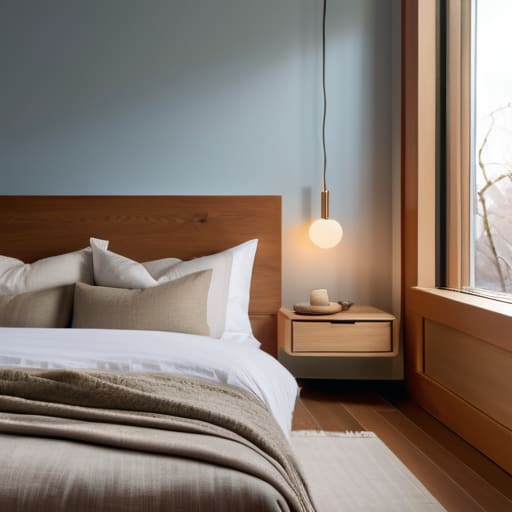
At the end of the day, minimalist bedroom decor isn’t about stripping your life down to a bare, cold room; it’s about making room for what actually matters. We’ve looked at how setting a clear intention can shift the energy of your space and how a thoughtful, monochromatic palette can instantly quiet the visual noise that keeps your brain buzzing at night. By focusing on quality over sheer quantity and choosing pieces that serve a genuine purpose, you aren’t just decorating a room—you are actively engineering a space designed for recovery and deep, restorative rest.
As you begin to declutter and refine your sanctuary, remember that perfection is a trap. Your bedroom should be a living, breathing reflection of your evolving needs, not a static showroom from a magazine. Let your space evolve with you, keeping only what brings you peace and letting go of the rest without guilt. Ultimately, the goal is to create a true sanctuary of calm where you can finally exhale the stresses of the world and simply be.
Frequently Asked Questions
How do I keep my room looking minimalist without it feeling cold or uninviting?
The secret is layering texture. Minimalism fails when everything is smooth, hard, and white—that’s when it starts feeling like a hospital wing. To keep things cozy, bring in organic elements: a chunky knit throw, a jute rug, or some linen bedding. You want to play with tactile variety instead of visual clutter. It’s about creating depth through touch so the room feels intentional and warm, rather than just empty.
What are some practical ways to hide all the little bits of clutter that naturally accumulate?
The truth is, life is messy, and total emptiness is a myth. Instead of fighting the clutter, give it a home. Invest in beautiful, closed storage—think woven baskets, sleek wooden boxes, or even a stylish trunk at the foot of your bed. If you can’t see the chaos behind a lid or a door, your brain stops registering it as “noise,” allowing that sense of calm to actually stick.
Is it possible to achieve a minimalist look if I already own a lot of colorful furniture and decor?
Honestly? Yes, but you have to be strategic about it. Minimalism isn’t about owning nothing; it’s about intentionality. If you have colorful pieces you love, don’t just toss them. Instead, try to “anchor” them. Pair a vibrant chair with neutral walls or limit the number of bright accents so they don’t compete for attention. It’s about creating a sense of order and breathing room, even when your palette is bold.
