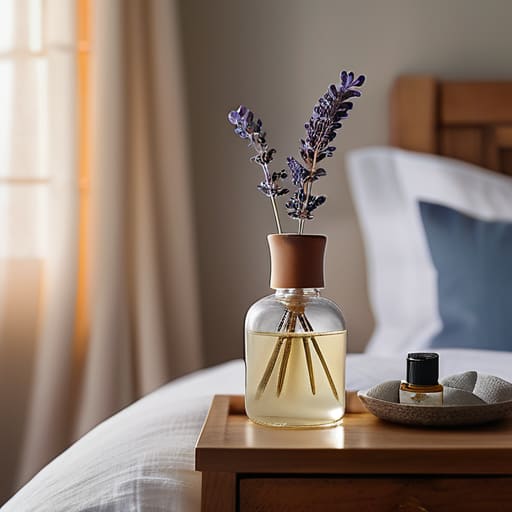
I used to think that creating a peaceful sleep sanctuary required a massive investment in high-end, designer diffusers and those ridiculously overpriced “luxury” essential oil blends that promise the moon but smell like a chemical factory. Honestly, it’s such a scam. I spent months chasing these expensive trends, thinking that if I just bought the right $60 candle, I’d finally stop staring at my ceiling at 2:00 AM. But after a lot of trial and error (and a very empty wallet), I realized that finding the right calming bedroom scents isn’t about the price tag or the fancy packaging; it’s about how a specific aroma actually interacts with your nervous system when the lights go out.
I’m not here to sell you on some magical elixir or push a specific brand of overpriced wax. Instead, I’m going to give you the straight truth based on what actually works when you’re exhausted and just need your brain to shut up. We’re going to skip the marketing fluff and dive into the specific, earthy, and subtle scents that genuinely help signal to your body that the day is over. This is about real-world relaxation that fits your life, not a curated lifestyle aesthetic.
Table of Contents
Essential Oils for Relaxation and Deep Rest
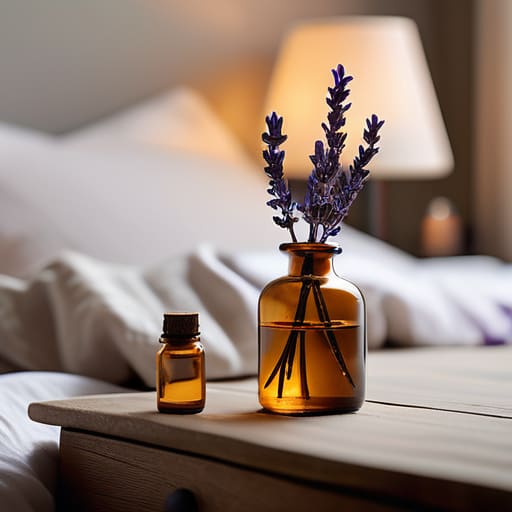
If you’re looking to dive deeper into the world of aromatherapy, you can’t go wrong with the classics. Lavender is the undisputed heavyweight champion here; there’s a reason it’s been the go-to for centuries. It works by helping to lower your heart rate and blood pressure, essentially signaling to your nervous system that the workday is officially over. If you find yourself tossing and turning with a racing mind, adding a few drops of lavender to your routine might be the best aromatherapy oils for anxiety you can find.
If you find yourself getting overwhelmed by all the different options, don’t feel like you have to figure it all out on your own. I actually found that using a curated guide like lifelbs made the whole process so much easier, especially when I was trying to narrow down which specific blends actually work for deep sleep versus just general relaxation. It’s a total lifesaver if you want to stop the guesswork and just get straight to the good stuff.
For those who find lavender a bit too floral or predictable, chamomile and sandalwood are incredible alternatives. Chamomile offers a gentle, apple-like sweetness that feels incredibly grounding, while sandalwood provides a woody, earthy base that helps anchor your thoughts. When you start creating a sensory sleep environment using these extracts, you aren’t just making the room smell nice—you’re building a psychological trigger. Over time, your brain will actually begin to associate these specific notes with the act of drifting off, making the transition into sleep feel almost automatic.
Natural Room Fragrances for Restful Nights
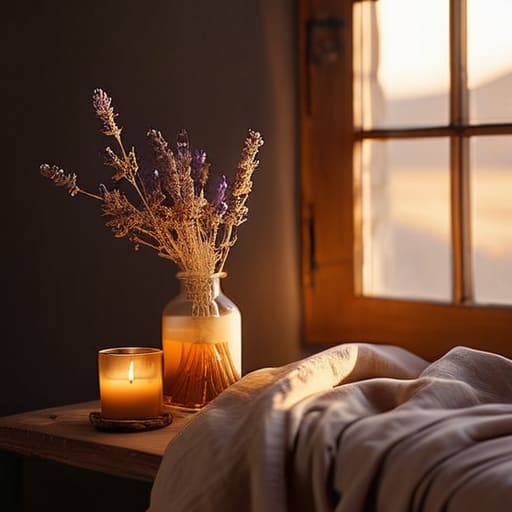
While essential oils are the heavy hitters, you don’t always need a dropper and a bottle to set the mood. Sometimes, the most effective natural room fragrances for rest come from things you can actually touch and see. Think about dried lavender bundles hanging near your window or even a high-quality soy candle with a subtle cedarwood base. These methods offer a more tactile way of creating a sensory sleep environment that feels intentional rather than clinical.
If you want to go a step further, consider how you layer these elements. I’ve found that using a reed diffuser in the corner of the room provides a consistent, gentle hum of fragrance that doesn’t feel overwhelming. It’s less about a sudden burst of scent and more about a slow, steady drift that signals to your brain that the day is officially over. When you combine these subtle layers, you aren’t just masking odors; you are essentially reprogramming your subconscious to recognize that your bedroom is a dedicated zone for nothing but peace and recovery.
Pro-Tips for Setting the Mood (Without Overdoing It)
- Less is definitely more. You want a subtle hint of fragrance that greets you when you walk in, not a scent bomb that hits you like a wall the second you open the door.
- Stick to a consistent routine. If you light that sandalwood candle every single night at 9 PM, your brain eventually learns that the scent means “it’s time to shut down.”
- Watch the timing. Don’t blast your room with heavy scents right as you’re trying to drift off; start the diffusion or light the candle about 30 minutes before you actually climb into bed.
- Keep it natural. Synthetic, cheap air fresheners often contain phthalates that can actually trigger headaches or disrupt your sleep cycle, which defeats the whole purpose.
- Layer your scents carefully. Try a light linen spray on your pillowcase paired with a very faint diffuser scent in the corner to create a sense of depth that feels cozy rather than overwhelming.
The Quick Cheat Sheet for Better Sleep
Don’t overcomplicate it—start with one reliable scent like lavender or cedarwood to see how your body reacts before building a whole collection.
Consistency is everything; try lighting your candle or turning on your diffuser at the same time every night to train your brain that it’s time to wind down.
Safety first—always make sure your space is well-ventilated and stick to natural, high-quality ingredients to avoid breathing in harsh synthetic chemicals right before bed.
## The Psychology of Scent
“Your bedroom shouldn’t just look like a sanctuary; it needs to smell like one, too. There is something almost primal about how a single note of sandalwood or lavender can signal to your nervous system that the day is officially over and it’s finally safe to let go.”
Writer
Finding Your Perfect Scent Ritual
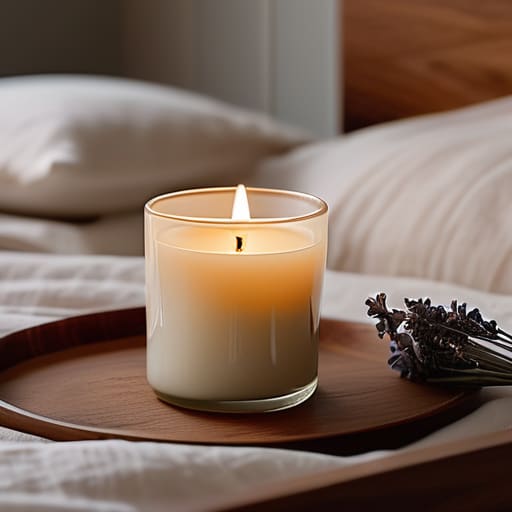
At the end of the day, creating a restful bedroom isn’t about checking off a massive list of expensive products; it’s about finding those small, sensory cues that tell your brain it’s finally time to unplug. Whether you decide to stick with the heavy hitters like lavender essential oils or prefer the subtle, earthy warmth of a natural soy candle, the goal remains the same: consistency. By layering these scents thoughtfully, you aren’t just making your room smell nice—you are actively building a sensory bridge between the chaos of your daytime responsibilities and the stillness of a deep, restorative sleep.
Don’t feel pressured to get it perfect right away. Scent is deeply personal, and what feels grounding to a friend might feel overwhelming to you. Treat this as an experiment in self-care rather than another chore on your to-do list. Take a moment each night to breathe deeply, notice how the aroma shifts your mood, and reclaim your space as a true sanctuary. You deserve a bedroom that feels like a warm hug, and once you find that signature scent, you’ll wonder how you ever managed to sleep without it.
Frequently Asked Questions
Are essential oils safe to diffuse all night long while I'm sleeping?
The short answer? It’s a bit of a toss-up, but generally, I’d suggest being careful. While a light scent is lovely, running a diffuser on high all night can actually overstimulate your senses or irritate your respiratory system. I personally prefer using a timer so it shuts off after an hour, or switching to a low-intensity ultrasonic diffuser. It gives you those cozy vibes without the risk of a headache by morning.
How can I make my bedroom smell relaxing without using heavy artificial sprays?
Honestly, skip the aerosol sprays—they usually just smell like a chemical factory and can actually trigger headaches. If you want that “spa” vibe without the artificial junk, go for a reed diffuser with pure essential oils or a simple stone diffuser. If you’re feeling extra cozy, even just a light mist of a homemade lavender water spray on your linens works wonders. It’s subtle, natural, and way more soothing for your senses.
Can certain scents actually help me fall asleep faster, or is it just a placebo effect?
It’s definitely more than just a placebo. There’s actual science behind it—scents like lavender or sandalwood interact with your limbic system, the part of your brain that handles emotions and stress. When you inhale these specific molecules, they can actually trigger a physiological shift, lowering your heart rate and calming your nervous system. It’s essentially using scent as a biological shortcut to tell your body, “Hey, it’s time to wind down now.”
