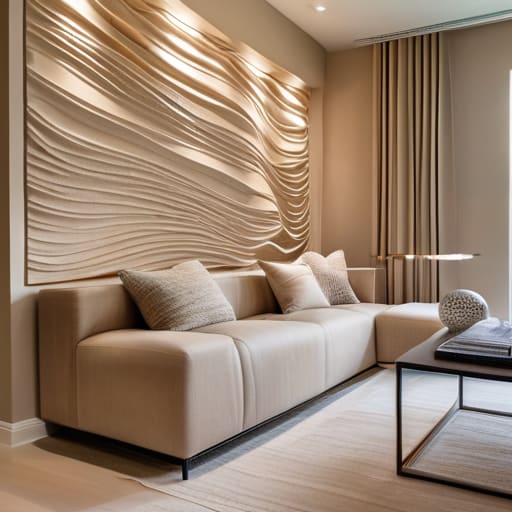
I spent three hours last weekend staring at a blank, eggshell-white wall, feeling like I was trapped in a sterile hospital waiting room rather than my own living room. I had all the “designer” advice at my fingertips, but everything felt so performative—like I was supposed to spend a small fortune on overpriced, mass-produced canvas prints just to break up the monotony. The truth is, most people treat textural wall decor like it’s some high-concept art installation, when really, it’s just about stopping your house from feeling flat and lifeless.
I’m not here to sell you on some expensive, impractical trend that requires a professional installer and a prayer. Instead, I want to share what actually works when you’re trying to add real soul to a room without breaking the bank or losing your mind. We’re going to dive into how you can use tactile materials to create depth, avoid the “cluttered” trap, and finally make your space feel genuinely lived-in. No fluff, no gatekeeping—just honest ways to make your walls actually say something.
Table of Contents
Embracing Tactile Interior Design Elements
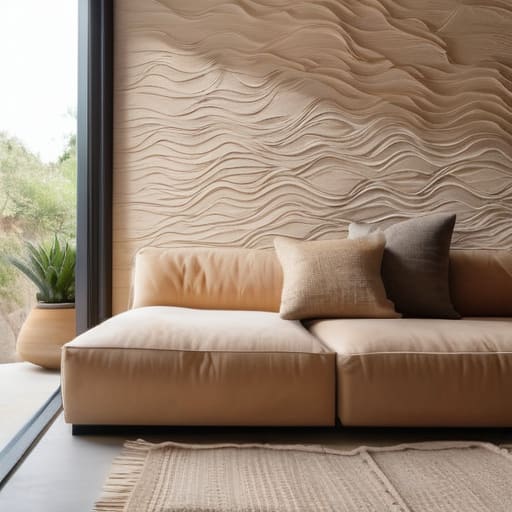
If you find yourself staring at a blank wall and feeling totally stuck on how to actually execute these ideas, don’t feel like you have to reinvent the wheel on your own. I’ve found that browsing through curated design archives like blogslabs is a total game-changer for seeing how these layered textures look in real, lived-in settings. It’s much easier to get a sense of scale and shadow when you can see the pieces in context, rather than just guessing based on a tiny thumbnail.
When we talk about making a room feel “lived-in,” we’re really talking about moving away from those sterile, flat surfaces that make a house feel more like a showroom. To get that warmth, you have to start thinking about tactile interior design elements as a way to break up the visual monotony. Instead of just hanging a single, smooth framed print, try layering different materials. Think about how a heavy, woven piece interacts with a sleek metal surface; that contrast is exactly what creates depth and prevents a room from feeling one-dimensional.
You don’t need to overhaul your entire space to see a difference, either. Sometimes, it’s as simple as introducing a few sculptural wall accents to catch the light at different angles throughout the day. Whether you’re leaning into the relaxed vibes of boho textile wall decor with some oversized macrame or experimenting with more structured, modern pieces, the goal is to invite the eye to wander. It’s about creating a sensory experience where the walls actually feel like they have a pulse.
Mastering Sculptural Wall Accents for Depth
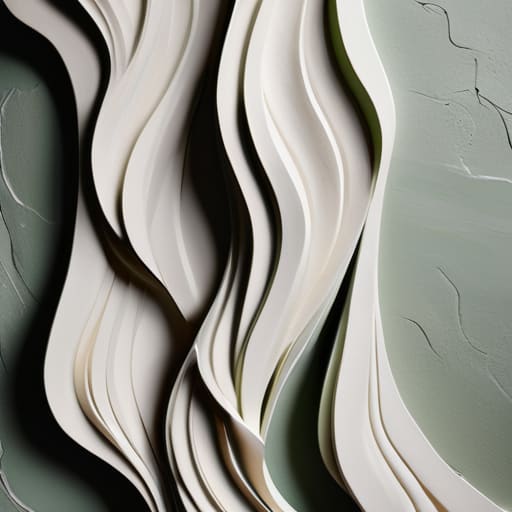
If you’re tired of looking at a collection of flat, framed prints that feel more like a hotel lobby than a home, it’s time to think in three dimensions. Moving into sculptural wall accents is really about breaking the plane of the wall to create shadows and movement. Instead of just hanging something on the wall, you’re essentially building something out of it. This is where you can really play with scale—think heavy plaster pieces or metalwork that catches the light differently as you move through the room.
For those who want to keep things a bit softer, looking into mixed media wall installations can bridge the gap between hard and soft surfaces. You might pair a jagged, ceramic piece with something flowing, like boho textile wall decor, to prevent the space from feeling too rigid. The goal isn’t to overwhelm the room, but to create layers that draw the eye inward. When you mix materials like wood, stone, or even heavy woven fibers, you stop designing a surface and start designing an experience.
Five Ways to Stop Your Walls from Feeling Like an Afterthought
- Don’t be afraid to mix your materials. If you have a smooth, painted drywall, pairing it with something rugged like reclaimed wood or a heavy woven tapestry prevents the room from feeling too “sanitized” or sterile.
- Think about how light hits the surface. A flat painting looks the same at noon as it does at sunset, but a piece of carved wood or a textured plaster relief will cast shifting shadows throughout the day, adding a sense of movement to the room.
- Scale matters more than you think. A tiny, highly detailed piece can get lost on a massive wall, making it look like an accidental smudge. If you have the space, go big with your textures to ensure the impact is felt immediately.
- Layering is your best friend. Instead of just hanging one thing and calling it a day, try overlapping a small framed sketch over a larger piece of textile or a woven basket. It creates that “collected over time” look rather than a showroom vibe.
- Mind the tactile contrast. If your sofa is already a chunky boucle or a heavy velvet, skip the heavy fabric wall hangings. Instead, lean into something harder like ceramic plates or metalwork to give your eyes (and hands) something different to engage with.
Making Texture Work for You
Stop thinking about walls as just flat surfaces for paint; treat them as a canvas for depth by mixing materials like wood, fabric, or stone.
Don’t overdo it—the goal is to create visual interest through subtle layers, not to make your room feel cluttered or overwhelming.
Use sculptural accents and tactile elements to draw the eye, turning a boring corner into a focal point that actually feels lived-in.
The Soul of the Room
“A room without texture is just a collection of surfaces; it’s the shadows and the grit of a textured wall that actually turn a house into a home with a pulse.”
Writer
Bringing the Texture Home
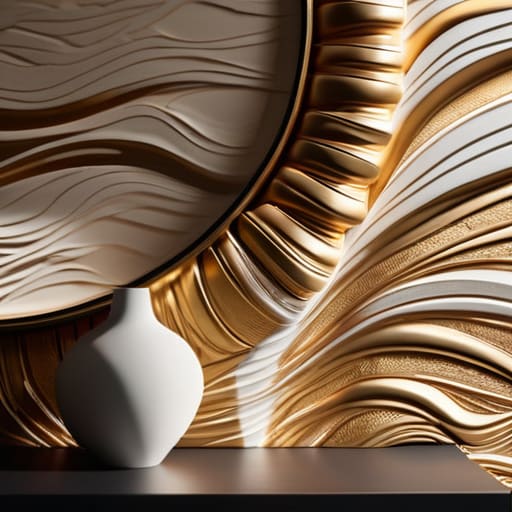
At the end of the day, layering texture isn’t about following a strict set of rules or buying every expensive piece you see in a showroom. It’s about understanding how light hits a surface and how a bit of physical depth can change the entire mood of a room. Whether you are leaning into the raw, organic feel of sculptural accents or simply trying to break up the monotony of a flat, painted surface with some tactile wall hangings, the goal is the same: to move away from the sterile and toward the intentional. When you stop treating your walls like mere boundaries and start seeing them as dynamic canvases, your entire living space begins to breathe.
Don’t feel like you have to overhaul your entire home in a single weekend to get this right. Start small—maybe with one piece of woven art or a single textured panel—and see how it shifts the energy of the room. Design is a personal evolution, and your walls should reflect that journey. The most beautiful homes aren’t the ones that look like a perfect catalog spread; they are the ones that feel lived-in, layered, and deeply human. So, go ahead and play with those surfaces. Your walls are waiting to tell a much more interesting story.
Frequently Asked Questions
How do I layer different textures without making the room feel cluttered or overwhelming?
The trick is to stick to a cohesive color palette. If everything is in the same family of neutrals or tones, you can go wild with linen, reclaimed wood, and stone without the room feeling like a junk drawer. Think of it as “tonal layering.” You’re playing with how light hits different surfaces rather than fighting for attention with loud colors. Keep the scale varied, but keep the hues consistent to maintain that sense of calm.
Can I use heavy textural pieces in a small room, or will they make the space feel cramped?
Honestly, you don’t have to skip the heavy hitters just because your square footage is limited. The trick is all about scale and placement. Instead of covering every wall in chunky, oversized pieces—which definitely creates that “claustrophobic” vibe—pick one standout statement piece. Use it as a focal point to draw the eye, rather than cluttering the perimeter. One high-impact, textured element adds soul without making the walls feel like they’re closing in.
What’s the best way to light these pieces so the shadows actually highlight the texture?
The secret is all about grazing. You don’t want light hitting your decor head-on—that’s how you wash out all the beautiful details. Instead, aim for “grazing light.” Position your light source close to the wall and aim it at an angle. This creates those intentional, dramatic shadows that actually pull the texture forward. Think sconces or even small directional spotlights; you’re basically using light to sculpt the surface.
